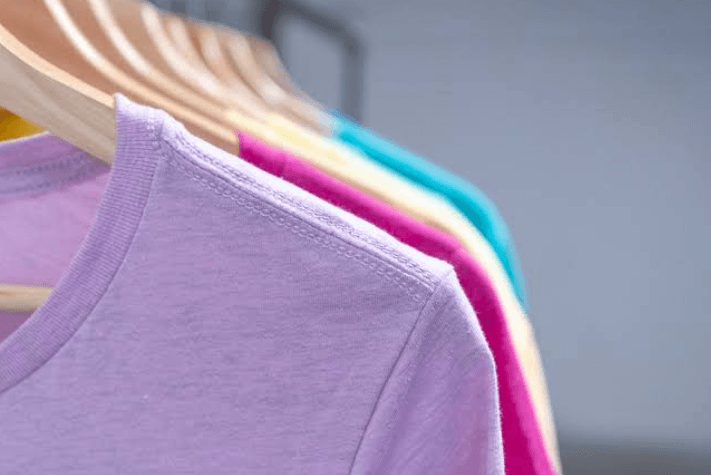
Cotton T-shirts have outlasted nearly every clothing trend that tried to replace them, and there is a reason for that. Shoppers keep coming back to a basic tee because it works with any outfit, any season, and any budget. Comfortable clothing does not need to be complicated, and a well-made cotton shirt proves that point every single day. This guide looks at why cotton remains the default choice for casual wear, and what actually separates a shirt worth buying from one that ends up in a donation pile within a year.
The Simple Reason Cotton Never Goes Out of Style
Cotton breathes better than most synthetic fabrics, which matters for a shirt worn close to the skin all day. Natural fiber pulls less heat and moisture against the body compared to fabric built for training rather than daily wear. This single feature keeps cotton T-shirts at the top of most closets, season after season, regardless of what synthetic alternative gets marketed as the newest innovation.
Casual apparel built around cotton also tends to age better visually. A cotton shirt fades gradually and predictably, while some synthetic fabric can develop a slightly plastic sheen after repeated washing that never looks quite right again.
What Makes Comfortable Clothing Actually Comfortable
Comfortable clothing depends on more than the fabric type printed on the tag. Fiber length, knit density, and finishing treatments all shape how a shirt feels against the skin on the first wear and after a full year of regular use. Long-staple cotton, in particular, produces a smoother yarn that avoids the rough, scratchy texture found in cheaper, short-fiber alternatives.
Fit plays an equally large role. A shirt cut too tight restricts movement and stretches unevenly at the seams, while a shirt cut too loose looks unfinished no matter how soft the fabric feels. Everyday T-shirts built with a balanced, true-to-size cut tend to outperform trend-driven cuts that only look good in photos.
Spotting Quality Blank Apparel Before You Buy
Checking Fabric Weight
Quality blank apparel typically falls between 4.5 and 6 ounces per square yard, a range light enough to stay breathable while still holding its shape through repeated washing. Shirts under this range tend to feel thin and see-through, while heavier shirts trade some softness for extra durability.
Checking Stitching and Seams
Double-stitched hems and reinforced shoulder seams resist stretching far longer than single-stitched construction. Brands such as Jerzees T-Shirts built a reputation in the blank apparel space by focusing on this kind of construction detail, which is part of why their shirts show up so often as the base layer behind other printed and branded clothing lines.
Soft T Shirts Versus Everything Else on the Rack
Soft t shirts sell themselves the moment a customer touches the fabric, which is exactly why fabric quality matters more in this category than flashy packaging or marketing claims. Ring-spun cotton, combed cotton, and pima cotton all produce a noticeably softer hand feel than standard carded cotton, and shoppers can usually tell the difference within a few seconds of handling the shirt.
Washing habits affect softness over time just as much as the original fiber choice. Skipping fabric softener, which coats fibers and reduces breathability, and avoiding high heat in the dryer both help a cotton shirt stay soft for years rather than months.
Where Cotton T-Shirts Fit Into a Daily Wardrobe
A well-made cotton tee works as a standalone piece, a layering item under a jacket, or a base layer under a work uniform. This flexibility explains why cotton T-shirts remain one of the highest-repeat-purchase items across nearly every clothing category, from budget retailers to premium labels.
Shoppers building a small capsule wardrobe often start with a handful of cotton basics in neutral colors before adding anything more seasonal or trend-driven. A few well-fitted tees in the right fabric weight cover far more outfit combinations than a closet full of pieces bought on impulse.
Buyers restocking a personal wardrobe or a small retail line can compare current fabric weights and cotton grades through suppliers such as Simplstc Apparel, which lists detailed specifications for each style at simplstcapparel.com.
Choosing Colors and Fit That Last
Darker colors and heather tones tend to hide minor fading better than pastels, which matters for a shirt worn and washed on a weekly basis. White and light gray shirts show wear and staining fastest, so shoppers looking for a long-lasting basic often reach for navy, charcoal, or heather shades instead.
Trying a few different cuts from the same fabric weight, classic, slim, and relaxed, helps shoppers learn which silhouette actually gets worn most often week to week, rather than guessing based on a size chart alone.
Caring for Cotton Shirts to Extend Their Life
Washing cotton shirts in cold water rather than hot water keeps the fibers from breaking down as quickly over repeated cycles. Hot water is one of the fastest ways to shrink a shirt and weaken the fibers holding the fabric together, especially in shirts with a looser weave.
Turning shirts inside out before washing protects any printed designs and reduces pilling on the outer surface. Air drying flat, rather than hanging a wet shirt on a hanger, also helps keep the shoulders and collar from stretching permanently out of shape.
See also: Why You Need a Charleston Bus Accident Lawyer After a Serious Crash
Building a Wardrobe Around a Simple Basic
Cotton t shirts remain popular because they solve a simple problem well, comfortable clothing that works with almost anything and holds up over time without demanding much thought. Paying attention to fiber quality, fabric weight, and construction before buying helps shoppers build a small collection of everyday t shirts that actually lasts.
The lasting popularity of a good cotton tee has very little to do with trends and everything to do with reliability. A shirt that fits well, breathes well, and holds its shape wash after wash will always find a place in a daily wardrobe, no matter what else happens to be popular that particular season.