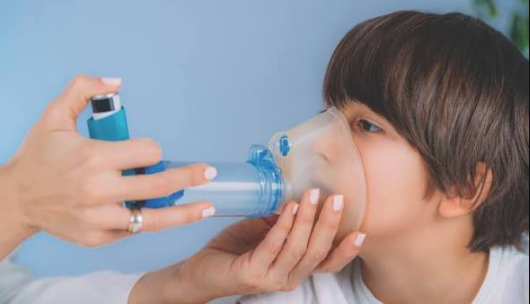
You may already have enough on your plate. Asthma can turn an ordinary day into one built around inhalers, triggers, coughs at night, and the quiet stress of watching your child breathe. Dental care can feel like one more thing to manage, yet it matters more than many parents realize. Children with asthma often face a higher risk of dry mouth, cavities, gum irritation, and enamel wear, especially if they use inhaled medicines often. The good news is that a few steady habits and the right support from a pediatric dentist can lower those risks, especially when families have access to pediatric dental care for families in Oxnard, CA.
Dental care for children with asthma is not about doing everything perfectly. It is about knowing what asthma medicines can do inside the mouth, spotting small changes early, and building a routine your child can actually keep. Once you know what to watch for, this gets a lot less overwhelming.
Asthma medications can change your child’s oral health
Many asthma medicines help kids breathe better, but some can leave less saliva in the mouth. That matters because saliva helps wash away food particles and acids. When the mouth stays dry, cavity causing bacteria have an easier time doing damage. Some inhalers can also leave medicine behind on the teeth, tongue, and cheeks, which may raise the risk of irritation or oral yeast infections in some children.
You might have noticed your child asking for water more often, breathing through the mouth at night, or waking up with bad breath. Those are easy things to brush off when asthma is the bigger concern. Still, they can point to dry mouth, and dry mouth can lead to tooth decay faster than many parents expect.
The link between asthma and oral health has been discussed by dental and medical experts for years. LSU Health explains the connection between asthma and children’s dental health, including how inhaled medications may affect the mouth. Federal health sources also offer practical guidance on oral and dental health that can help families build stronger daily habits.
See also: Why Cosmetic Dentistry Can Be Life Changing For Some Patients
Small daily issues can turn into bigger dental problems
When a child has asthma, routines can get disrupted. A late night flare up may mean brushing gets skipped. A child who uses a rescue inhaler before bed may fall asleep right after and never rinse. If your child drinks juice or sports drinks to soothe a dry mouth, the sugar and acid can add another layer of risk. None of this means you are doing something wrong. It means your child’s mouth may need a little more protection than other kids’ mouths do.
This is where parents often feel caught. You want to support asthma treatment exactly as prescribed, and you do not want dental advice to sound like it conflicts with breathing care. It should not. The goal is not to change asthma medicine on your own. The goal is to protect the mouth while your child gets the medicine they need.
Oral health for kids with asthma often comes down to timing and consistency. Rinsing with water after using an inhaler, brushing with fluoride toothpaste twice a day, and keeping regular dental visits can make a real difference. According to the CDC’s oral health tips for children, daily brushing with fluoride toothpaste and regular dental care are key steps in preventing tooth decay.
Practical dental care habits help protect children with asthma
A simple routine usually works better than an ambitious one that falls apart after three days. If your child uses an inhaler with a spacer, ask the prescribing doctor whether it is being used correctly, because proper use may reduce medicine left in the mouth. After inhaler use, have your child rinse with water and spit. If they are old enough, brushing after the last inhaler use of the day can help even more.
Pay attention to signs that a dental visit should happen sooner rather than later. White spots on the teeth, mouth soreness, cracked lips, bad breath that does not go away, or a child saying cold foods sting can all be signs that something is starting. Early treatment is easier on your child and usually easier on your budget too.
| Issue | What You May Notice | What Helps at Home | When a Pediatric Dentist Should Check It |
|---|---|---|---|
| Dry mouth | Thirst, sticky mouth, bad breath, mouth breathing | Water often, rinse after inhaler use, fluoride toothpaste | If it happens most days or your child gets cavities often |
| Cavities | White spots, brown areas, sensitivity, pain with sweets | Brush twice daily, limit sugary drinks, floss once teeth touch | At the first sign of spots, pain, or sensitivity |
| Oral irritation or thrush | Soreness, white patches, burning, trouble eating | Rinse after inhaler use, clean spacer as directed | If symptoms last more than a few days |
| Enamel wear | Teeth look dull, edges seem thin, cold foods bother them | Use fluoride products, avoid frequent acidic drinks | If sensitivity or visible wear appears |
Three steps parents can take right away
Build an after inhaler routine. Keep it short enough that your child will actually do it. Inhaler, water rinse, spit, done. If the inhaler is used at bedtime, follow with brushing when possible. That one change can lower how much medicine stays in the mouth.
Tell the dental office about every asthma medicine. Bring a full list, including rescue and controller inhalers. A pediatric dentist needs that information to plan care safely and to understand why your child may be dealing with dry mouth or higher cavity risk.
Watch for patterns, not one off moments. One night of bad breath is not the issue. A month of dry mouth, skipped brushing because of coughing, or new tooth sensitivity is worth acting on. Write down what you notice, especially if symptoms show up after medicine use or during allergy season.
Steady support makes dental care easier for children with asthma
You do not need a perfect system. You need one that fits real life, especially on the hard days. Children with asthma can have healthy teeth and gums, but they often need a little more attention and a little more prevention. Once you connect asthma care with mouth care, the next steps become clearer.
If your child has asthma and you are seeing signs of dry mouth, cavities, or mouth irritation, schedule a visit with a pediatric dentist. Early care can prevent bigger problems and give you a plan that works with your child’s asthma treatment, not against it.