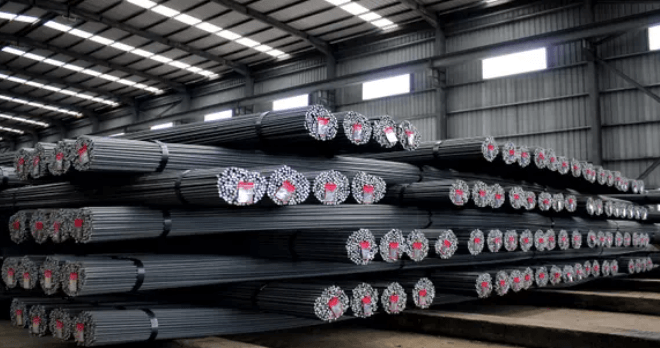
When it comes to securing heavy, sharp, or high-tension loads for transport and storage, few solutions match the performance of steel strapping. Used across industries from construction and metals processing to paper and lumber, steel strapping provides the clamping force, edge resistance, and dimensional stability that synthetic alternatives cannot always match. This guide explores the types, specifications, applications, and selection criteria for industrial steel strapping.
What Is Steel Strapping and When Is It Used?
Steel strapping is a flat metal band, typically made from high-carbon steel, used to bundle, unitize, reinforce, and secure products for shipping or storage. Its high tensile strength and rigidity make it ideal for applications where synthetic strapping would stretch, deform, or fail under extreme conditions.
Types of Steel Strapping
Oscillate wound steel strapping (also called coil strapping) is the most common form, supplied in large coils for use with strapping machines. Sheet wound strapping is wrapped in flat sheets for manual or semi-automatic application. Regular duty, high tensile, and extra high tensile grades provide options for different load requirements.
Steel vs. Plastic Strapping
Steel strapping offers higher tensile strength, minimal elongation, and excellent edge resistance for sharp-edged loads. Plastic (polyester or polypropylene) strapping is lighter, less likely to cause injury, and more cost-effective for lighter loads. The choice between them depends on load weight, edge sharpness, and transport conditions.
- High tensile strength (up to 1,800 lbs. break strength for narrow widths)
- Minimal elongation maintains consistent clamping force
- Excellent resistance to sharp edges on metal, glass, and stone loads
- Compatible with manual, semi-automatic, and fully automatic strapping equipment
- Available in regular, high, and extra high tensile grades
Key Specifications for Steel Strapping
Steel strapping is specified by width, thickness, grade (regular or high tensile), and surface finish (painted, waxed, or galvanized). Each specification affects performance characteristics and suitability for different applications.
Surface Finish Options
Waxed steel strapping is the most common, offering a smooth surface that feeds well through strapping equipment and provides moderate corrosion resistance. Painted strapping offers better corrosion resistance for outdoor or humid environments. Galvanized strapping provides the best corrosion protection for extreme environments.
Safe Handling of Steel Strapping
Steel strapping under tension stores significant energy. Always follow safety protocols when cutting or removing steel strapping, as the released energy can cause serious injury. Use appropriate tools designed for steel strapping and wear protective gloves and eye protection.
- Always use proper steel strapping cutters (never standard scissors or knives)
- Wear cut-resistant gloves when handling steel strapping
- Control strap ends when cutting to prevent spring-back injury
- Never stand directly over strapping being cut under tension
- Follow manufacturer’s guidelines for sealing tool tension settings
See also: The Philosophy of Technology Explained
Frequently Asked Questions
What width and thickness of steel strapping do I need?
Selection depends on load weight and the required joint efficiency. Common widths range from 3/8 inch to 2 inches, with thicknesses from 0.015 to 0.044 inches. Consult a strapping supplier’s load rating charts for your specific application.
What seals are used with steel strapping?
Steel seals (also called clips) are the standard method for joining steel strapping. They are crimped with a sealing tool or strapping machine. Wire-wrap seals and notch-type seals are alternatives for specific applications.
Can steel strapping be recycled?
Yes, steel strapping is fully recyclable as scrap metal. Many facilities have established programs to collect and return used strapping for recycling, which reduces disposal costs and environmental impact.
Conclusion
Steel strapping remains the benchmark solution for heavy-duty industrial packaging applications where synthetic alternatives cannot provide the required strength, rigidity, or edge resistance. steel strapping. By selecting the correct grade, width, and thickness for your specific application and following proper safety practices, you can ensure secure, reliable load restraint from factory floor to final destination. Work with a knowledgeable strapping supplier who can recommend the most cost-effective solution for your specific packaging challenges.