Introduction
Growing a bonsai is more than a hobby. It is an art that combines patience, creativity, and proper plant care to create a miniature tree with natural beauty. Tropical bonsai varieties are especially popular because they adapt well to indoor conditions and remain green throughout the year. Their glossy leaves, strong trunks, and flexible branches make them ideal for beginners as well as experienced growers. With the right balance of light, water, humidity, and pruning, these miniature trees can become breathtaking living displays that improve any home or office space. Understanding the fundamentals of care is the first step toward cultivating a healthy specimen that continues to thrive for decades.
Why Tropical Bonsai Are Popular
Many gardening enthusiasts choose tropical bonsai because they are easier to maintain than many outdoor species.
Some of their advantages include:
- Evergreen foliage
- Strong growth habits
- Excellent response to pruning
- Suitable for indoor environments
- Attractive trunk development
- Long lifespan with proper care
These qualities make tropical bonsai an excellent choice for growers of all experience levels.
Choosing a Healthy Tree
A healthy tree is the foundation of successful bonsai cultivation.
When selecting one, look for:
- Bright green leaves
- Strong branches
- Thick trunk
- Healthy root system
- No signs of insects or disease
- Even overall growth
Avoid trees with yellow leaves, damaged bark, or weak branches.
Providing the Right Growing Conditions
Proper environmental conditions help the tree stay healthy throughout the year.
Light
Place the bonsai in a location that receives several hours of bright, indirect sunlight each day. Morning sunlight is generally ideal because it encourages healthy growth without causing leaf damage.
Temperature
Most tropical varieties grow well between 65°F and 85°F. Protect the tree from sudden temperature changes and cold drafts.
Humidity
Higher humidity encourages vigorous growth and keeps leaves healthy. Using a humidity tray or regularly misting the foliage can help maintain suitable moisture levels indoors.
Watering Properly
Correct watering is one of the most important parts of bonsai care.
Follow these simple guidelines:
- Water when the top layer of soil begins to dry.
- Avoid allowing the soil to become completely dry.
- Never leave the pot standing in water.
- Ensure excess water drains freely.
Balanced watering supports healthy roots and prevents common problems.
Feeding Your Bonsai
Regular fertilization encourages stronger growth and healthier foliage.
A balanced fertilizer during the active growing season provides essential nutrients that support leaf production and root development.
Reduce feeding during slower growth periods while continuing to monitor the overall health of the tree.
Encouraging Natural Root Development
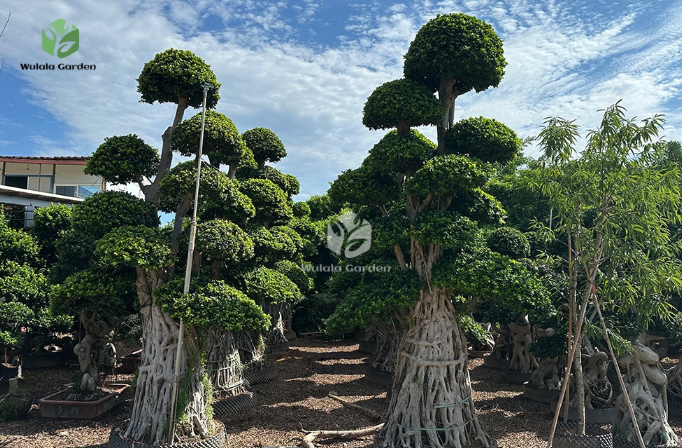
One of the most fascinating characteristics of tropical bonsai is the development of exposed roots that create an ancient appearance. Experienced growers often increase humidity and provide consistent care to encourage aerial roots ficus bonsai, allowing the tree to develop dramatic structures that add both beauty and stability.
Pruning and Shaping
Routine pruning keeps the bonsai compact while improving its overall appearance.
Regular maintenance helps:
- Control branch length
- Improve tree structure
- Encourage new growth
- Maintain balanced proportions
- Increase visual appeal
Always use clean, sharp tools when pruning to minimize plant stress.
Repotting for Healthy Growth
Repotting refreshes the soil and prevents the roots from becoming overcrowded.
Most tropical bonsai benefit from repotting every two to three years, depending on their age and growth rate.
Fresh bonsai soil improves drainage while providing better access to nutrients and oxygen.
Common Problems
Even healthy bonsai can experience occasional issues.
Watch for these common problems:
Yellow Leaves
Usually caused by overwatering, poor drainage, or insufficient light.
Leaf Drop
Often results from sudden environmental changes or inconsistent watering.
Root Rot
Excess moisture around the roots can cause decay and weaken the tree.
Pests
Inspect the leaves regularly for insects such as spider mites, scale insects, or aphids.
Early treatment helps prevent serious damage.
See also: Explore Egypt in Style: The Best Luxury Tour for Discerning Travellers
Seasonal Care Tips
Each season requires slightly different maintenance.
Spring
- Resume regular fertilizing.
- Increase watering as growth begins.
- Prune new shoots.
Summer
- Monitor soil moisture carefully.
- Protect from extreme afternoon heat.
- Maintain high humidity.
Autumn
- Reduce fertilizer gradually.
- Continue light pruning if necessary.
- Remove damaged leaves.
Winter
- Keep the tree warm indoors.
- Reduce watering slightly.
- Maintain adequate light exposure.
Following seasonal care routines helps maintain vigorous growth year after year.
Conclusion
Growing a tropical bonsai is a rewarding experience that combines creativity with careful plant care. Providing consistent light, balanced watering, proper humidity, and regular pruning allows these miniature trees to develop remarkable beauty over time. With patience and attention to detail, even beginners can enjoy a healthy bonsai that becomes more impressive with every passing season. A well-maintained specimen serves as both a living work of art and a relaxing addition to any indoor or outdoor space.
FAQs
1. How often should a tropical bonsai be watered?
Water whenever the top layer of soil begins to dry, avoiding both excessive dryness and standing water.
2. Can tropical bonsai grow indoors?
Yes. They thrive indoors when provided with bright indirect light and adequate humidity.
3. How frequently should the tree be fertilized?
Feed during the active growing season using a balanced fertilizer according to the manufacturer’s instructions.
4. When should a bonsai be repotted?
Most trees benefit from repotting every two to three years to refresh the soil and maintain healthy roots.
5. Is bonsai suitable for beginners?
Yes. Many tropical species are forgiving, making them an excellent choice for those starting their bonsai journey.