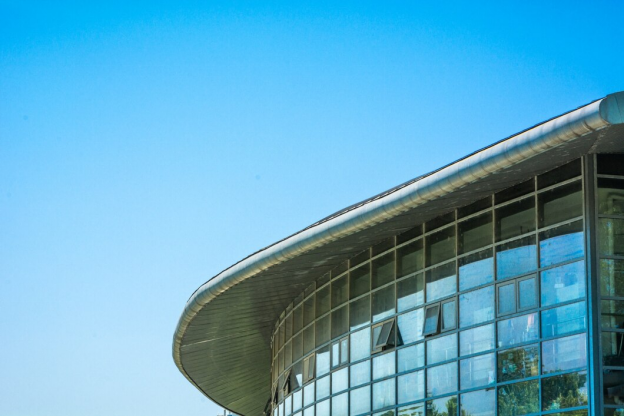
Commercial and industrial buildings often have large floor areas that depend heavily on artificial lighting. Warehouses, workshops, factories, retail units, agricultural buildings, and distribution centres can contain limited windows because of their layout, security requirements, or structural design. Polycarbonate rooflights offer another way to introduce daylight without taking up valuable wall space.
Polycarbonate rooflights are particularly suited to these environments. Made from a strong thermoplastic material, they can be designed to admit natural light while providing durability and practical performance. Used as part of a well-planned roofing system, they can change the atmosphere inside a building and influence how the space is used throughout the day.
Bringing More Natural Light Into Large Buildings
Large commercial spaces can feel dark even during daylight hours, particularly when they have few windows. Rooflights allow sunlight to enter from above, spreading illumination across areas that may otherwise remain dependent on electric fixtures.
Polycarbonate panels can provide a diffused form of daylight rather than creating the sharp glare associated with some transparent materials. This can be useful in workplaces where employees need consistent visibility for extended periods.
The positioning and proportion of rooflights also matter. A carefully distributed rooflight layout can help reduce dark zones and create more even illumination across the floor. For warehouses and industrial units, this may improve visibility around storage areas, walkways, machinery, and workstations.
Potential Reductions in Daytime Lighting Demand
Electric lighting represents an ongoing operating expense for many commercial buildings. Large facilities may require substantial lighting for several hours each day, particularly during working hours.
Introducing natural daylight through rooflights can reduce reliance on artificial lighting during suitable weather and daylight conditions. The actual savings depend on factors such as building orientation, rooflight area, working hours, occupancy, lighting controls, and local climate.
A building fitted with daylight-responsive lighting controls can make better use of available natural light. Sensors can adjust artificial lighting when daylight levels are sufficient, helping avoid unnecessary electricity consumption.
This makes rooflight design relevant not only to the appearance of a building but also to its ongoing energy management.
A Practical Material for Demanding Environments
Industrial roofing can be exposed to impact, temperature changes, moisture, dust, and regular maintenance activity. Polycarbonate is valued for its combination of strength and relatively low weight.
Compared with some traditional glazing materials, polycarbonate can offer useful impact resistance, making it suitable for buildings where durability is a major consideration. Its lighter weight can also be advantageous during installation, although the structural requirements of the complete roofing system still need to be assessed by qualified professionals.
Different polycarbonate rooflight profiles and specifications are available for different roofing applications. Corrugated and profiled sheets, for example, can be manufactured to work with compatible metal roofing systems.
Material selection should account for the building’s roof design, expected conditions, fire requirements, thermal performance, and the manufacturer’s installation guidance.
Improving the Working Environment
Natural daylight can influence how people experience an interior space. A warehouse with some daylight entering through the roof can feel less enclosed than one illuminated entirely by artificial fixtures.
For employees working long shifts, better daylight distribution can contribute to a more comfortable workplace. It may also make tasks easier where accurate visual recognition is required.
Factories, workshops, logistics facilities, and storage buildings can all benefit from thoughtful daylight planning. The objective is not simply to add as many rooflights as possible. Excessive glazing can introduce unwanted solar heat or glare, so the amount and specification of rooflight material should suit the building’s use.
Supporting Retail and Commercial Interiors
The benefits are not limited to industrial premises. Retail units, showrooms, garden centres, sports facilities, and other commercial spaces can use rooflights to create brighter interiors.
Natural illumination can help products, displays, and architectural features appear more clearly. In large retail environments, rooflights can also reduce the enclosed feeling often associated with buildings that have limited external windows.
Commercial properties frequently need to balance visual appeal with practical considerations such as heating, cooling, maintenance, and energy use. Polycarbonate rooflights can form part of that wider building design rather than being treated as an isolated roofing component.
Design Considerations for Existing Buildings
Rooflight installation is not simply a matter of cutting openings into an existing roof. The roof structure, existing cladding, drainage arrangements, insulation, and weatherproofing all need to be considered.
Older industrial buildings may have roofing systems that require specialist assessment before replacement or improvement work begins. Existing rooflights may also have deteriorated over time because of exposure to ultraviolet radiation, weather, and general ageing.
Replacing outdated rooflight panels can improve daylight transmission while addressing areas of the roof that have become damaged or less effective. The condition of surrounding roofing materials should also be examined, since installing new panels alongside severely deteriorated roofing may not provide a lasting result.
Managing Heat and Solar Gain
More daylight can be beneficial, but rooflight design needs to consider heat as well as light. Sunlight entering through a roof can contribute to internal temperature increases, particularly during warmer months.
The choice of polycarbonate specification, panel arrangement, light transmission, and rooflight-to-roof ratio can influence the building’s thermal behaviour. In some settings, diffused panels or products with specific solar-control characteristics may be preferable.
Ventilation and mechanical cooling should also be considered as part of the overall building design. A rooflight system should provide useful daylight without creating avoidable problems with overheating.
See also: Email Marketing For Law Firms: Build Trust, Retain Clients, And Win More Cases
Maintenance and Long-Term Performance
Rooflights are exposed to the same weather conditions as the rest of the roof, so regular inspection is sensible. Dirt, debris, algae, and general surface contamination can reduce the amount of daylight entering the building.
Maintenance requirements vary according to the roof design, panel specification, location, and environmental conditions. Inspections can identify cracking, damage, loose fixings, seal deterioration, or other issues before they develop into larger roofing problems.
Cleaning should follow the manufacturer’s recommendations. Harsh chemicals or unsuitable cleaning equipment can damage polycarbonate surfaces, so maintenance teams should use appropriate methods and products.
Making Daylight Part of the Building Plan
A well-designed rooflight system can affect several aspects of a commercial or industrial property at once. It can increase daylight availability, reduce daytime dependence on electric lighting, improve the character of an interior, and make better use of roof space.
The strongest results come from treating rooflights as part of the wider building design. Roof orientation, occupancy, insulation, ventilation, lighting controls, roof construction, and local weather conditions all influence the final outcome.
Polycarbonate provides a practical option for projects that require daylight transmission alongside durability and compatibility with commercial roofing systems. For new construction or refurbishment work, selecting the right specification and installation method can make natural light a useful feature of the building rather than an afterthought.