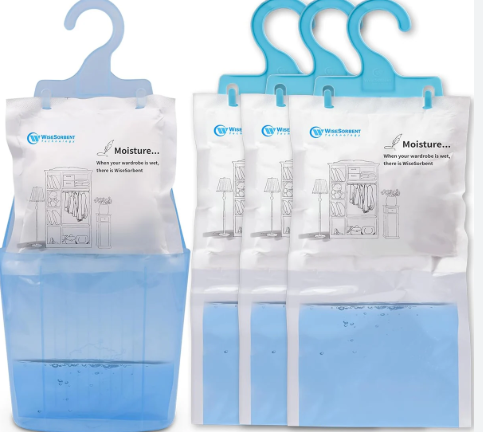
Global shipping and logistics play a major role in international trade and product distribution. However, one of the biggest challenges during transportation and storage is moisture buildup inside shipping containers. Excess humidity can damage products, packaging, and materials during long transit periods. To prevent these issues, many businesses now rely on moisture absorber bags for containers to protect cargo from condensation and humidity-related damage.
Moisture control solutions are especially important for industries that transport sensitive goods such as electronics, textiles, food products, pharmaceuticals, furniture, and machinery. Proper humidity management helps maintain product quality, reduce financial losses, and improve supply chain reliability.
The Problem of Moisture in Shipping Containers
Shipping containers often experience temperature fluctuations during transportation. These changes can create condensation inside containers, commonly referred to as container rain or cargo sweat.
Excess moisture may lead to:
- Mold and mildew growth
- Product corrosion
- Damaged packaging
- Rust formation
- Reduced product quality
Humidity-related damage can significantly affect both products and customer satisfaction.
Today, many logistics companies and exporters use reliable moisture absorber bags for containers to control humidity and protect cargo during transportation.
What Are Moisture Absorber Bags?
Moisture absorber bags, also known as container desiccants, are specially designed products that absorb excess humidity inside shipping containers.
These products help:
- Reduce condensation
- Maintain dry conditions
- Protect cargo quality
- Prevent mold and corrosion
- Improve transportation safety
They are commonly used in ocean freight, warehousing, and long-term storage applications.
How Moisture Absorber Bags Work
Container desiccants use highly absorbent materials that capture moisture from the surrounding air.
Absorption Technology
The materials inside desiccant bags attract and retain water vapor before condensation forms.
Continuous Moisture Protection
High-capacity desiccants provide ongoing humidity control throughout the shipping process.
Leak Prevention
Modern desiccant products are designed to safely contain absorbed moisture without leakage.
Industries That Benefit From Moisture Control Solutions
Many industries rely on humidity management to protect products during transportation and storage.
Electronics Industry
Electronic products are highly sensitive to moisture and corrosion during shipping.
Food and Agricultural Products
Humidity can damage packaging and reduce product freshness.
Furniture and Wood Products
Wood materials may warp, crack, or develop mold in humid environments.
Textile and Apparel Industry
Moisture exposure can damage fabrics and create unpleasant odors.
Benefits of Using Container Moisture Absorbers
Moisture control products provide several important advantages for logistics operations.
Protection Against Cargo Damage
Reducing humidity helps prevent spoilage, corrosion, and packaging deterioration.
See also: The Step-by-Step Process for Selling Mining and GPU Equipment
Improved Product Quality
Products arrive in better condition, improving customer satisfaction.
Reduced Financial Losses
Preventing moisture damage helps businesses avoid product replacement and insurance claims.
Better Supply Chain Reliability
Consistent cargo protection supports more reliable international shipping operations.
Importance of Moisture Management in Global Shipping
International shipping often involves long transit periods across changing climate conditions.
Ocean Freight Challenges
Temperature differences between day and night can create significant condensation inside containers.
Long-Term Storage Risks
Stored cargo may remain exposed to humidity for extended periods.
Climate Variations
Cargo may pass through tropical, humid, or cold environments during transportation.
Choosing the Right Moisture Absorber Solution
Selecting suitable desiccant products depends on several factors.
Container Size
Larger containers may require additional moisture absorption capacity.
Product Sensitivity
Highly sensitive products often require stronger humidity protection.
Transit Duration
Longer shipping routes may require higher-capacity desiccant solutions.
Environmental Conditions
Shipping routes with high humidity levels may increase condensation risk.
How Technology Is Improving Moisture Control
The logistics industry continues developing more advanced humidity management solutions.
High-Capacity Desiccant Materials
Modern products can absorb larger amounts of moisture more efficiently.
Eco-Friendly Solutions
Manufacturers are increasingly focusing on environmentally responsible materials.
Smart Monitoring Systems
Some shipping operations now use humidity sensors and digital monitoring technology.
Future Trends in Cargo Protection
Global logistics continues evolving to improve transportation safety and product quality.
Sustainable Packaging Solutions
Eco-friendly packaging and moisture control technologies are becoming increasingly important.
Advanced Container Monitoring
Real-time tracking and environmental monitoring systems are improving cargo management.
Improved Supply Chain Protection
Businesses are investing more in preventive cargo protection technologies.
Why Moisture Protection Matters for Businesses
Protecting cargo from humidity damage is essential for maintaining product quality, reducing losses, and improving customer satisfaction. Moisture control solutions help businesses protect valuable goods throughout the shipping and storage process.
As international trade and global logistics continue expanding, humidity management is becoming increasingly important for modern supply chain operations.
FAQs
What causes moisture inside shipping containers?
Temperature fluctuations during transportation can create condensation and excess humidity inside containers.
What products need moisture protection during shipping?
Electronics, textiles, food products, furniture, pharmaceuticals, and machinery often require humidity protection.
How do moisture absorber bags work?
Moisture absorber bags use desiccant materials to absorb excess humidity and reduce condensation inside containers.
Conclusion
Moisture control plays a critical role in protecting cargo during international transportation and storage. Moisture absorber bags for containers help reduce condensation, prevent cargo damage, and improve overall shipping reliability. From protecting electronics and textiles to preserving food products and machinery, these humidity control solutions are essential for maintaining product quality and reducing financial losses.
As global logistics continues evolving, businesses are increasingly investing in advanced moisture protection technologies to support safer, more efficient, and more reliable supply chain operations.