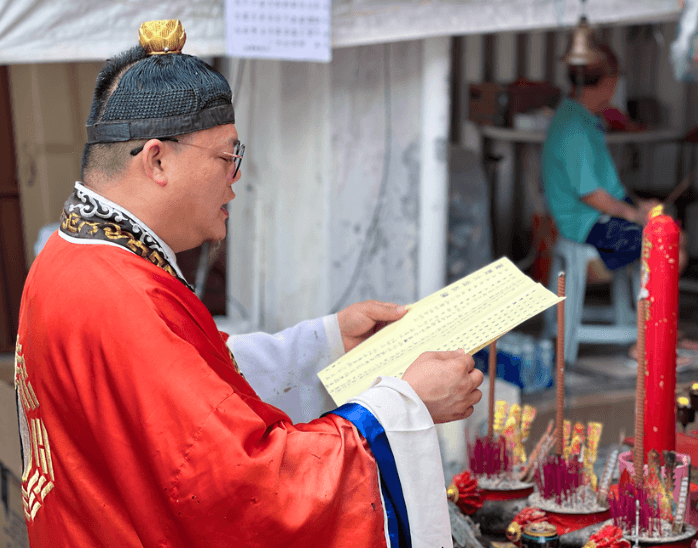
Taoist funeral services in Singapore adhere to centuries-old traditions that are both solemn and deeply spiritual. These ceremonies reflect the core beliefs of Taoism, emphasising harmony between the earthly and spiritual realms. If you’re looking to learn more about Taoist funeral services in Singapore, explore the available arrangements and traditions to find respectful guidance for honouring a loved one. In a multicultural place like Singapore, Taoist funerals offer a profound insight into the rich tapestry of religious practices that mark life’s final journey.
The Essence of Taoist Belief
At the heart of Taoist philosophy is the concept of the Tao, an all-encompassing force that manifests in the order of the universe. Life and death are perceived as transitions within this eternal flow. Accordingly, Taoist funerals are not viewed as the end but as a transition to another life form or existence. This belief significantly shapes the rituals and practices of Taoist funeral services.
Rituals and Practices
Preparation and Observation
In preparation for a Taoist funeral, family members follow specific rites to ensure that the deceased’s spirit is honoured and safely guided to the afterlife. This involves a series of meticulously arranged rituals, including the chanting of ancient scriptures by priests and the offering of food, paper money, and incense. These offerings are seen as essential for assisting the deceased on their journey in the afterlife.
Funeral Procession
An integral part of the ceremonies is the procession, where family members escort the body of the deceased towards its final resting place. Chanting, music, and the burning of incense typify this process, maintaining an atmosphere of reverence and solemnity. The procession acts as an emblem of the family’s respect and ensures that the deceased is accompanied every step of the way.
The Role of the Taoist Priest
A Taoist priest plays a vital role in overseeing the funeral rites. Their responsibilities cover the reading of sacred texts and guiding the family in performing rituals correctly. The priest’s purpose is not only to honour the deceased but also to comfort the bereaved, helping them to recognise death as a continuum in the cycle of existence.
Symbolic Offerings
During the service, numerous offerings are made to assist the deceased in the afterlife. Joss paper, often referred to as “hell money”, is burnt to provide the deceased with sufficient resources in the spirit world. In addition, paper replicas of material objects like houses, cars, and clothing might be burnt too, symbolising the comforts the deceased will need beyond.
Funeral Attire and Etiquette
Attire at a Taoist funeral holds deep symbolic meaning. Mourners generally wear white, with family members sometimes donning a mourning hood, reflecting their connection to the deceased. Bright colours like red, often associated with joy and celebration, are considered inappropriate during this sombre occasion.
Post-Funeral Customs
The conclusion of the Taoist funeral services does not mark the end of rituals. There is an ongoing observance period where family members continue to carry out practices to honour the deceased. This includes offering food and incense at home altars, ensuring the spirit of the deceased is kept closely tied to the family’s continuing life journey.
Mourning Period and Ancestor Veneration
The mourning period can vary, often extending over several weeks or months, with the family adhering to specific cultural and religious practices. These practices ensure that the family’s ancestral lineage is respected, establishing a perennial link between the generations.
Integration of Modern Practices
Despite adhering largely to traditional teachings, Taoist funerals in Singapore can incorporate modern elements while staying true to the essence of the rituals. This flexibility reflects an adaptive approach to cultural practices, which coexist within a rapidly modernising society.
Family Participation and Collective Remembrance
Family members play an essential role throughout the funeral, with each person contributing to the ceremonies in meaningful ways. From preparing offerings and receiving visitors to participating in prayers and memorial rites, these shared responsibilities strengthen family bonds during a period of grief. The collective observance of rituals also serves as an opportunity for younger generations to learn about their cultural heritage and understand the significance of honouring their ancestors.
Respecting Cultural Traditions During the Wake
A Taoist funeral wake often extends over several days, allowing relatives, friends, and members of the community to pay their respects. Visitors typically offer incense, bow before the altar, and express condolences to the bereaved family. Throughout the wake, the ceremonial arrangements, altar decorations, and symbolic objects are carefully prepared according to Taoist customs. Maintaining these traditions creates a respectful environment where mourners can gather to remember the life and contributions of the deceased while offering support to the family.
Personalised Funeral Arrangements
While Taoist funeral rites follow established religious principles, many families choose to personalise certain aspects of the service to reflect the life and values of their loved one. Memorial displays featuring photographs, favourite belongings, or meaningful tributes may be incorporated alongside traditional rituals. These thoughtful additions create a more personal farewell while preserving the spiritual significance of the ceremony, allowing family and friends to celebrate cherished memories within the framework of Taoist customs.
See also: The Importance of Medicine and Healthy Living in Daily Life
Finding the Right Service
Seeking an appropriate and respectful funeral service can be challenging, especially when adhering to specific religious customs. Opting for Taoist funeral services in Singapore ensures that the ceremonies are conducted with a deep respect for the traditions by those who understand the significance of each rite and its cultural implications.
Conclusion
The conduct of Taoist funerals exemplifies a delicate balance between maintaining ancient traditions and integrating into a modern-day cultural tapestry. As a reflection of eternal philosophical concepts, they provide a profound insight not only into the spiritual beliefs of Taoism but also into the ways in which cultural identity continues to evolve while honouring its roots.