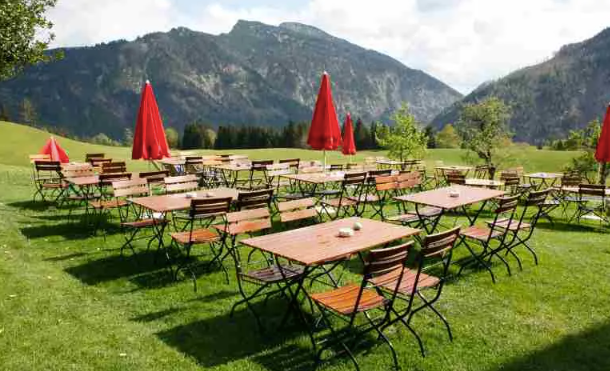
A private garden often begins as unused space. Grass grows, a few plants appear, and a small patio might host a table that rarely sees guests. Yet that same area can become the social heart of a home. Transforming a backyard into a beer garden creates a place where friends gather easily, conversation flows, and outdoor evenings stretch longer than expected.
Beer gardens have deep roots in Central Europe. In cities like Munich and Vienna, large outdoor spaces developed around breweries where people could sit under trees, drink fresh beer, and eat simple food. Long wooden tables encouraged strangers to share space. The design was simple, durable, and built for social interaction.
The same principles work well in a private garden. A home beer garden does not need large space or complicated construction. What matters is the atmosphere: open seating, relaxed lighting, and a drink station that feels welcoming.
Start by evaluating the garden you already have. Look at the size of the area and the natural features. Trees, fences, and walls shape how the space feels. A tree might provide natural shade for seating. A corner of the yard may work well for a small bar.
Ground conditions also matter. A grassy lawn feels comfortable but can become muddy during rain. Gravel or paving stones create a more stable surface. Some homeowners combine materials, using wood decking for seating areas and gravel for walkways.
Noise and neighbors should also be considered. A beer garden often involves conversation and music. Position seating away from property boundaries if possible. Simple fencing, plants, or wooden screens help contain sound and create a more private atmosphere.
Next, identify the central gathering area. This becomes the main seating zone where tables and benches sit. Around this core area, smaller spaces can develop naturally. One corner might hold a drink station. Another might become a quiet spot with softer seating.
Before building anything, set a realistic budget. A beer garden can be created cheaply with reclaimed wood and DIY furniture, or it can involve professional outdoor furniture and lighting systems. Decide what matters most: durability, comfort, or visual character.
With a basic plan in place, the backyard begins its transformation. What was once empty lawn now becomes the foundation for a small outdoor gathering place.
The Layout: Designing the Social Heart of the Garden
Layout determines how people move and interact inside the garden. A good beer garden design encourages movement while keeping the space comfortable. Guests should be able to walk between seating areas, approach the bar easily, and find space for conversation.
Start by dividing the garden into zones. Each zone serves a specific purpose.
The first zone is the main seating area. This is the center of activity and should occupy the largest portion of the garden. Long tables or grouped seating arrangements allow guests to gather comfortably.
The second zone is the drink station or bar. It should remain visible from the seating area but not block movement. Guests should be able to reach it quickly without walking through crowded seating.
A third zone can serve as a relaxed corner. This area might include lounge chairs or small tables where two or three people can sit quietly. Such spaces become useful during larger gatherings.
A fourth optional zone is a standing drink area. Some guests prefer to stand, especially during casual events. A high counter or barrel table provides a place to rest a glass.
Paths between zones should remain clear. Avoid placing furniture too close together. A narrow walkway becomes frustrating once several people move around with drinks and plates.
Ground materials influence the comfort of the space. Gravel remains one of the easiest options. It drains well and creates a rustic beer garden look. Wood decking adds warmth and works well for seating areas. Stone paving provides a more structured appearance.
Mixing materials often produces the best results. A gravel floor under tables combined with wooden walkways creates visual contrast while keeping construction simple.
Table arrangement also affects the social dynamic. Long communal tables encourage larger groups and shared seating. Smaller tables create a more private environment. Many home beer gardens combine both styles.
When planning the layout, sketch the garden on paper. Draw approximate table locations, paths, and the bar area. Walking through the design mentally helps identify potential problems before construction begins.
A thoughtful layout turns a backyard into a functioning gathering space. Guests move easily, conversations form naturally, and the garden feels welcoming rather than crowded.
Beer Garden Furniture: Rustic, Durable, and Social
Furniture defines the character of a beer garden. Unlike indoor furniture, outdoor pieces must handle sun, rain, spills, and constant movement. At the same time, they should encourage conversation and long evenings outdoors.
Traditional beer gardens rely on long wooden tables paired with benches. This style remains popular because it works. Guests can sit in large groups, and benches allow flexible seating when more people arrive.
Solid wood remains the most authentic choice. Pine, oak, and spruce work well when treated for outdoor conditions. Oil-based wood sealers protect surfaces from moisture while maintaining a natural appearance.
Metal frames combined with wooden tops create another durable option. Powder-coated steel resists rust and adds structural strength. Many commercial outdoor tables use this design.
Composite materials offer lower maintenance. Synthetic boards mimic wood while resisting moisture and sunlight. Although they lack the warmth of natural wood, they last longer without frequent maintenance.
DIY furniture can significantly reduce costs. Pallets often provide the base for benches and low tables. With sanding and proper finishing, pallet wood becomes sturdy and visually appealing.
Another popular DIY idea involves barrel tables. Old wooden barrels topped with round boards create standing drink stations. These tables require minimal work and match the rustic beer garden style perfectly.
Comfort still matters even in rustic spaces. Seat cushions or simple backrests make long conversations more pleasant. Removable cushions also allow easy cleaning after events.
Shade plays a role in furniture placement. Tables positioned under trees or umbrellas remain comfortable during hot afternoons. If the garden receives strong sun, consider adding a pergola over the main seating area.
Mixing furniture types can add visual variety. Long tables form the core seating area, while smaller bistro tables appear near the bar or along garden edges. A few lounge chairs create quieter corners.
In one part of the garden, a small table with cafe chairs might offer a relaxed place for two guests to talk while watching the rest of the gathering.
Durability should guide every purchase or DIY project. Outdoor furniture must withstand weather and frequent use. Investing time in strong materials and solid construction prevents constant repairs later.
With the right furniture in place, the garden begins to feel less like a yard and more like a small outdoor pub.
Lighting That Turns Evening into Atmosphere
Lighting determines how the garden feels after sunset. Without thoughtful lighting, even the best outdoor design loses its charm once darkness arrives. Warm and balanced lighting extends gatherings late into the night.
String lights remain the most recognizable feature of beer gardens. Suspended above seating areas, they create a soft glow that spreads evenly across tables. Warm white bulbs work best because they resemble traditional filament lights.
The simplest installation involves running strings between trees, fence posts, or wooden poles. Slightly sagging lines create a relaxed appearance and distribute light evenly.
Lanterns provide a second lighting layer. Hanging lanterns near the bar or seating corners create visual depth. Some homeowners use vintage-style metal lanterns, while others prefer modern LED versions.
Solar lights offer an easy solution for pathways. Small solar spikes placed along walkways help guests move safely without requiring electrical wiring. These lights charge during the day and activate automatically at dusk.
The drink station requires stronger lighting. Guests should see bottle labels, taps, and glassware clearly. A small overhead fixture or focused LED strip above the bar solves this problem without affecting the rest of the garden.
Candles add character but require careful placement. Glass lanterns or enclosed candle holders prevent wind from extinguishing the flame and reduce fire risk.
Layering different types of lighting produces the best results. Overhead string lights provide general illumination. Lanterns create localized warmth. Path lights guide movement through the garden.
Power supply must be considered during planning. Solar lighting reduces electrical work but provides limited brightness. Wired lighting systems deliver stronger illumination but require safe outdoor outlets and weatherproof cables.
Lighting placement should remain subtle. Avoid extremely bright lights that feel harsh. The goal is to create a comfortable environment where people can talk, eat, and drink without harsh glare.
Once the lights turn on, the garden transforms. Shadows soften, wood surfaces glow warmly, and the space begins to resemble a traditional outdoor beer garden.
The Drink Station: Building Your Backyard Bar
Every beer garden revolves around the drink station. This area acts as both service point and social center. A well-designed bar allows guests to access drinks easily while keeping the host organized.
The simplest drink station uses a sturdy table or countertop. Place it near the seating area but leave enough space for guests to gather without blocking paths. A wall or fence behind the bar provides support for shelves and decorations.
Wooden bars remain popular because they match the rustic style of most beer gardens. A basic outdoor bar can be built using pressure-treated lumber and a solid countertop. Many DIY builders add shelves underneath for storage.
Portable bars also work well for smaller gardens. Folding bar carts or rolling beverage carts allow flexible placement during events. When not in use, they can be stored in a garage or shed.
Beer storage depends on the size of gatherings. For small groups, large ice tubs or coolers keep bottles cold. For frequent events, a compact outdoor refrigerator offers more convenience.
Keg systems bring the beer garden concept closer to its European origins. A small keg combined with a portable tap system allows fresh draft beer. These systems require refrigeration and CO₂ cartridges but remain manageable for home use.
Glassware deserves attention as well. Stack glasses on shelves behind the bar or store them in crates. Easy access prevents constant trips indoors.
Bottle openers should remain fixed to the bar. Wall-mounted openers eliminate the common problem of lost tools during gatherings.
A chalkboard menu adds personality. Write the available beers, simple snacks, or house specials. Guests appreciate knowing what drinks are available without asking repeatedly.
Some hosts also include a small self-serve station. Water dispensers, non-alcoholic drinks, and cups allow guests to help themselves without crowding the bar.
A well-organized drink station keeps the gathering relaxed. Guests move naturally toward the bar, refill their drinks, and return to conversations without confusion.
See also: The Importance of Medicine and Healthy Living in Daily Life
Plants, Shade, and Natural Character
Plants soften the structure of the beer garden and connect the space to its natural surroundings. Without greenery, the garden risks feeling like a patio filled with furniture. Plants add texture, shade, and seasonal variation.
Trees remain the most valuable natural feature. Mature trees provide shade during summer afternoons and form the classic image of traditional beer gardens. Seating placed beneath tree branches instantly feels cooler and more comfortable.
Climbing plants add vertical character. Hops vines are particularly fitting for a beer garden. These plants grow quickly during warm months and create green walls along fences or pergolas.
Ivy and grape vines also work well for covering wooden structures. Over time they produce a natural canopy that filters sunlight and softens harsh edges.
Ornamental grasses provide movement and visual contrast. Tall grasses sway in the wind and create natural boundaries between seating areas.
Herb gardens serve both decorative and practical purposes. Mint, rosemary, and basil grow easily in pots. They also provide fresh garnishes for drinks and snacks.
Shade structures help control temperature. Pergolas with wooden beams allow climbing plants to grow overhead. Shade sails offer a modern alternative that requires less construction.
Umbrellas remain the simplest solution for smaller spaces. Adjustable outdoor umbrellas can be repositioned throughout the day as sunlight changes.
Managing insects becomes important in garden environments. Certain plants, including lavender and citronella, naturally discourage mosquitoes. Keeping food and drink areas clean also reduces insect activity.
Plant placement should frame the seating area rather than block it. Low plants define pathways, while taller plants remain near fences or garden edges.
Greenery completes the transformation from backyard to beer garden. Plants create privacy, soften the structure of the space, and help guests feel comfortable staying outdoors longer.
Finishing Touches That Make It Feel Like a Real Beer Garden
Small details turn a functional garden into a memorable gathering place. These finishing touches influence how guests interact with the space and how often they return.
Music adds energy to outdoor gatherings. A small waterproof speaker system placed near the bar can provide background music without overwhelming conversation. Volume should remain moderate so guests can talk comfortably.
Menu boards and signs add character. Handwritten chalkboards listing drinks or snacks make the space feel personal. Some hosts create themed signs or humorous rules for the garden.
Outdoor games encourage interaction between guests who may not know each other well. Cornhole, darts, and giant wooden block games work particularly well in beer garden settings. These games require minimal space but generate plenty of activity.
Decorations can change with seasons. During summer, colorful flags or string banners add festive energy. Autumn gatherings may include lanterns and warm blankets.
Food also contributes to the atmosphere. Simple snacks such as pretzels, grilled sausages, or roasted vegetables fit naturally with beer garden culture. Food stations placed near the bar reduce crowding around tables.
Comfort should remain a priority as evenings grow cooler. Outdoor blankets or small fire pits extend the usable season of the garden. Guests often appreciate warmth during late-night gatherings.
Maintenance keeps the space inviting. Wooden furniture benefits from occasional cleaning and resealing. Lighting should be checked regularly to replace damaged bulbs.
Hosting the first gathering in the new beer garden often reveals small adjustments. Tables may need repositioning, lighting might require additional bulbs, or the bar could use extra storage.
These improvements develop naturally as the garden sees more use.
Over time, the beer garden becomes more than a project. It becomes a familiar place where friends gather, conversations grow longer, and ordinary evenings turn into memorable ones. The quiet backyard has transformed into a lively outdoor retreat built for sharing good drinks and good company.