You brush your child’s teeth while trying to pack lunches, answer messages, and get everyone out the door. You remind yourself to schedule your own cleaning with a Fairfield family dentist, then another month slips by. If you help an older parent, you may also be watching dry mouth, sore gums, or loose dentures turn into one more thing on a long list. Oral health often gets pushed aside until something hurts, costs money, or starts affecting meals, sleep, and confidence.
That is where preventive dentistry matters. A family dentist does more than clean teeth. Preventive care catches small problems early, lowers the risk of decay and gum disease, and helps every age group keep eating, speaking, and smiling without pain. From a toddler learning to brush to a senior managing medicines that dry out the mouth, steady care protects far more than teeth.
Preventive dental care works differently at every age
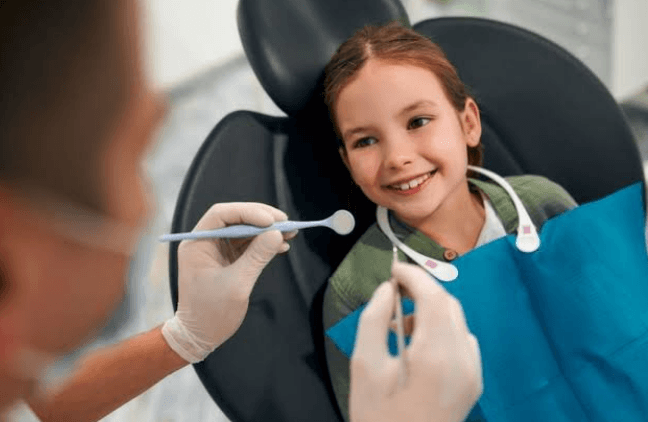
A toddler’s mouth changes fast. Baby teeth hold space for adult teeth, help with speech, and make chewing easier. When cavities start early, children can end up with pain, trouble eating, and dental fear that follows them for years. The CDC shares practical oral health tips for children that support healthy routines at home, including brushing with fluoride toothpaste and limiting sugary drinks.
School age children and teens face a different set of problems. Sports injuries, braces, frequent snacking, and skipped brushing all raise the risk of damage and decay. A small white spot on enamel can turn into a cavity before a parent notices anything is wrong. Preventive visits give your dentist a chance to spot early wear, crowding, and gum irritation before treatment becomes more involved.
Adults often assume they are doing fine if nothing hurts. That can backfire. Gum disease is usually quiet at first, and early tooth decay can hide between teeth or under old fillings. Many adults also clench their teeth at night, sip coffee all day, or rely on sugary snacks when life gets busy. The CDC’s oral health tips for adults cover the basics, but the real challenge is staying consistent when work, bills, and family demands keep taking the front seat.
Older adults deal with another layer. Receding gums expose softer root surfaces. Arthritis can make brushing and flossing harder. Medicines often reduce saliva, and a dry mouth raises cavity risk fast. The National Institute on Aging offers guidance on taking care of your teeth and mouth, especially when dentures, chronic illness, or memory changes are part of daily life. At this stage, routine care is not cosmetic. It protects nutrition, comfort, and dignity.
A family dentist helps stop small issues before they become expensive problems
The hard part about dental problems is how quietly they grow. A child can have decay between back teeth and still smile through the school day. An adult can have bleeding gums for months and write it off as brushing too hard. A senior can avoid crunchy foods because chewing feels different, then lose weight without realizing oral pain is part of the reason.
Preventive visits break that pattern. Cleanings remove buildup that brushing misses. Exams catch fractures, weak fillings, early gum disease, and bite changes. Fluoride and sealants can lower the chance of cavities in children and some adults. Personalized advice also matters more than people think. A person with braces, diabetes, dentures, or dry mouth does not need generic tips. They need care built around real life.
Dental prevention for all ages also reduces the emotional side of oral health. When you stay ahead of problems, children learn that the dentist is not only for pain. Adults avoid the stress of surprise treatment plans. Seniors keep more independence because eating and speaking stay easier.
Daily habits and professional care protect smiles in different ways
| Preventive step | What you can do at home | What a family dentist adds |
| Brushing and flossing | Removes daily plaque, lowers cavity and gum risk | Checks technique, spots missed areas, recommends tools for braces, arthritis, or gum recession |
| Fluoride protection | Use fluoride toothpaste, drink fluoridated water when available | Applies stronger fluoride treatments when decay risk is higher |
| Diet choices | Limit sugary drinks, sticky snacks, and constant grazing | Connects decay patterns to eating habits and gives age specific guidance |
| Monitoring changes | Notice sensitivity, bleeding, bad breath, sores, or loose teeth | Finds early decay, gum disease, oral cancer concerns, and bite problems before symptoms worsen |
| Protective care | Mouthguards for sports, replacing worn toothbrushes | Provides sealants, custom guards, denture checks, and treatment planning |
Home care does a lot, but it cannot remove hardened tartar or see what is happening below the surface. Professional care does not replace good habits either. The strongest results come from both, which is why preventive dental care works best as an ongoing routine rather than a one time fix.
Simple steps make oral health easier to manage
Set one schedule for the whole family. Put dental visits on the calendar the same way you handle school checkups or prescription refills. When appointments become routine, there is less scrambling and less delay.
Match tools to the person, not the ideal. A toddler may need a smear of fluoride toothpaste and a parent’s help. A teen with braces may need floss threaders. An adult who grinds teeth may need a night guard evaluation. A senior with limited hand strength may do better with an electric toothbrush.
Act on small warning signs. Bleeding gums, mouth dryness, sensitivity, bad breath, or chewing on one side are not things to wait out for months. Early action is usually simpler, less expensive, and easier on everyone involved.
See also: Make the Most of Sacramento Bus Tours for Groups
Preventive dentistry supports comfort, confidence, and long term health
Healthy smiles do not happen by accident. They are built in small daily choices and steady checkups that protect people at every age. If your household has toddlers, teens, busy adults, or aging parents, a trusted family dentist can help keep problems smaller and care more manageable. Schedule the next preventive visit and give your family a better chance to stay comfortable, confident, and healthy.