You may have noticed that one tooth came in too high, another seems stuck, or your child’s bite suddenly looks off even though everything seemed fine a year ago. That kind of change can be unsettling, and visiting an orthodontic office in Zionsville can help you understand what is happening early. It often starts small, a tooth that does not line up, front teeth that hit too soon, or chewing that feels uneven, then it turns into crowding, jaw strain, or a bite that keeps shifting.
Uneven tooth eruption can change the way the upper and lower teeth meet. When that happens, orthodontists look at more than crooked teeth. They check growth, spacing, jaw position, and whether a tooth is blocked, delayed, or erupting in the wrong path. The good news is that many bite issues can be improved with the right timing and the right plan, especially when they are caught early.
Uneven tooth eruption can disturb the bite in ways that are easy to miss at first
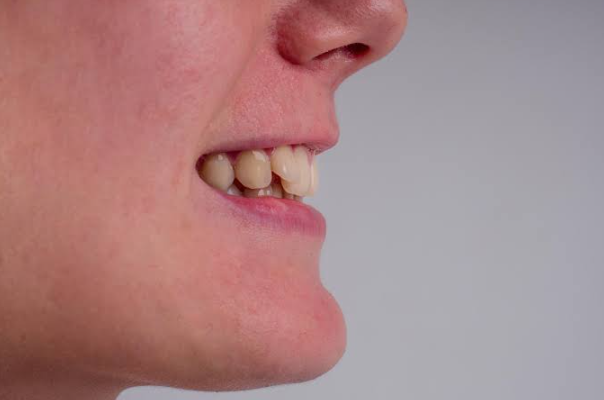
Teeth are supposed to erupt in a sequence that supports a balanced bite. When one tooth erupts too early, too late, or not fully, nearby teeth can drift into the wrong space. That can create crowding, crossbite, open bite, deep bite, or a midline that shifts to one side. According to MedlinePlus information on tooth formation and eruption, eruption problems can stem from genetics, lack of space, extra teeth, or teeth that do not develop normally.
You might be dealing with a child whose adult tooth is coming in behind the baby tooth, or a teen whose canine never dropped into place. Adults see this too, especially when a tooth stayed impacted for years or the bite adapted around missing or delayed teeth. The longer the bite compensates, the more the rest of the mouth has to work around the problem.
That is where bite correction for uneven tooth eruption becomes more than a cosmetic issue. If teeth hit in the wrong order, certain teeth take too much force. Enamel can wear down faster. Gums may become irritated. Jaw muscles can stay tense because they are trying to find a stable way to close.
Orthodontists correct eruption related bite problems by guiding teeth and controlling space
An orthodontist starts with imaging, bite records, and a close exam of how the teeth contact each other. The goal is to find the cause, not just the visible result. If a tooth is blocked by crowding, treatment may create space first. If a baby tooth stayed too long, removing it may help the permanent tooth erupt into a better position. If a tooth is impacted, braces or clear aligners may be combined with a surgical exposure to guide it into place.
Orthodontia treatment options from MedlinePlus include braces, retainers, and other appliances that move teeth into healthier alignment. In eruption cases, orthodontists often use partial braces, full braces, spacers, expanders, elastics, or limited phase treatment, depending on the person’s age and the bite problem involved.
One child may need an expander because the upper arch is too narrow and the erupting teeth have nowhere to go. Another may need braces to pull down an impacted canine while preserving the roots of nearby teeth. An adult may need aligners to reopen space for a tooth that never erupted correctly, then finish with detailed bite adjustments. The treatment looks different because the cause looks different.
Orthodontic treatment for eruption issues also depends on timing. Guidance from the American Academy of Pediatric Dentistry on developing dentition and occlusion supports early evaluation when eruption patterns or bite development look abnormal. Early does not always mean early braces. It means checking whether intervention now prevents a bigger problem later.
Professional orthodontic care reduces the risks that come with waiting or guessing
When eruption problems are ignored, the bite often adapts in ways that are harder to reverse. A tooth that comes in too far outside the arch can wear against soft tissue. A blocked tooth can damage the roots of neighboring teeth without causing pain right away. A crossbite may push the jaw to one side every time you close. These changes can become part of your normal, which is why people often wait longer than they should.
| Approach | What It May Involve | Likely Outcome | Main Risk |
|---|---|---|---|
| Wait and watch without orthodontic review | Monitoring at home, hoping eruption self-corrects | Some mild cases improve, many do not | Missed timing, worsening bite, root damage, crowding |
| General dental monitoring only | Routine exams and X rays | Helpful for detection, limited for bite mechanics | Delay in active correction if movement is needed |
| Orthodontist led treatment | Braces, aligners, expanders, space management, guided eruption | Improved tooth position and bite function | Time, cost, need for follow through |
This is why many families seek an orthodontist once they notice teeth erupting out of order or a bite that no longer looks even. You are not overreacting by getting it checked. You are protecting the space, timing, and structure that the mouth depends on.
Three practical steps help you respond before the bite shifts further
1. Track what changed. Take clear photos of the front and both sides of the bite every few weeks if a tooth is erupting oddly. Write down pain, chewing trouble, speech changes, or teeth that no longer touch the same way. Those details help show whether the problem is stable or progressing.
2. Schedule an orthodontic evaluation when eruption looks delayed, blocked, or off path. Do not wait for pain. Many eruption related bite issues are easier to treat when the tooth still has room to move and the jaws are still developing. If you are an adult, an evaluation still matters because hidden impactions and long standing bite shifts can affect treatment choices.
3. Ask specific questions about timing, space, and goals. Ask whether the tooth has enough room, whether any baby teeth should be removed, whether imaging shows an impaction, and whether treatment is meant to prevent damage, improve function, or both. Clear answers make the plan easier to trust.
Correcting bite problems from uneven tooth eruption is often very possible with the right plan
A bite that changed because teeth erupted unevenly can feel confusing, especially when the shift seemed gradual and then suddenly obvious. There is usually a reason behind it, and there is often a path forward. The right treatment can guide teeth into place, protect nearby teeth, and create a bite that feels more stable and works better every day.
If you have noticed signs of uneven tooth eruption treatment being needed, the next step is simple. Schedule an evaluation with an orthodontist and get a clear look at what is happening before the bite adapts any further.