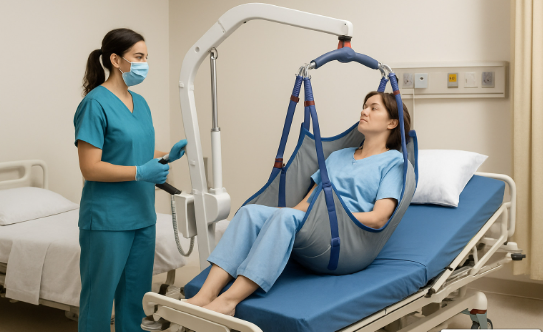
Caring for an elderly or immobile family member at home is an act of love, but it is also physically and emotionally demanding. One of the most important ways to make it safer and more manageable, for both the person being cared for and the carer, is the right equipment. Good equipment prevents injury, preserves dignity, and reduces the daily strain of caregiving. This guide looks at the equipment that helps most when caring for an immobile loved one at home.
Why Equipment Matters So Much for Home Care
When someone cannot move independently, everyday tasks like getting out of bed, moving to a chair, or using the bathroom become significant challenges that fall largely to the carer. Attempting these without proper equipment is hard, tiring, and genuinely risky. Carers frequently injure themselves through manual lifting and handling, and the person being cared for can be hurt or made uncomfortable by unsafe moves.
The right equipment changes this. It allows the carer to move and support their loved one safely, protects both people from injury, and makes daily routines more manageable. For anyone providing home care, investing in appropriate equipment is not a luxury but a foundation of safe, sustainable caregiving. It protects the carer’s own health, which is essential, because a carer who is injured cannot care.
See also: The Importance of Medicine and Healthy Living in Daily Life
Safe Moving and Transferring
The most important area is safe moving and transferring, because this is where the risk of injury is highest. Moving a person between the bed and a chair, or repositioning them in bed, requires care and, ideally, equipment designed for the purpose. Transfer equipment, such as transfer boards and devices, and other patient-handling aids make these moves far safer and easier than attempting them by hand.
Sourcing this equipment from a specialist matters. Patient-handling and mobility equipment from a supplier such as Stretchers R Us, which provides professional-grade equipment built for real use, gives confidence that the equipment is dependable and safe. For moves that carry genuine injury risk, well-designed, reliable equipment is exactly what protects both the carer and their loved one.
Comfort and Positioning in Bed
For a person who spends much of their time in bed, comfort and positioning are important for both wellbeing and health. Being able to adjust position helps prevent discomfort and the pressure problems that can arise from staying in one position too long. Equipment and aids that help with positioning, along with a suitable bed setup, support both comfort and the practical needs of care.
Protecting the bed and keeping it accessible are part of this too. A bed at a workable height makes care easier on the carer’s back, and mattress protection keeps things hygienic and manageable. Thinking about the bed as the centre of care, and setting it up thoughtfully, improves daily life for the person and reduces strain for the carer.
Mobility and Bathroom Aids
Where a person has some mobility, aids that support it help maintain independence and make care easier. Mobility aids, commodes, and related equipment, kept in consistent, accessible places, support the person in doing what they can while making assistance safer when needed. Consistency matters here, keeping equipment in fixed, predictable spots helps the person and the carer alike.
Bathroom and toileting needs are among the most sensitive and physically demanding aspects of care, so appropriate equipment makes a real difference to dignity and safety. Choosing aids suited to the person’s level of mobility, and positioning them well, supports both the person’s dignity and the carer’s ability to help safely.
Setting Up the Space and Looking After the Carer
Beyond individual pieces of equipment, arranging the home for safe care matters. Clear pathways, good lighting, and equipment placed within easy reach all make care safer and less exhausting. A well-arranged space reduces hazards and the physical toll of caregiving, supporting both people.
It is also vital to look after the carer. Caregiving is demanding, and the right equipment is part of protecting the carer’s own health and sustainability. Equipment that reduces physical strain, prevents injury, and makes tasks manageable allows a carer to continue providing care without breaking down themselves. Recognising the carer’s needs, alongside the person being cared for, is essential to home care that lasts.
Frequently Asked Questions
Why is equipment so important when caring for an immobile person?
Because everyday tasks like moving and transferring become challenging and risky without it. The right equipment prevents injury to both the carer and their loved one and makes daily care safer and more manageable.
What equipment helps most with moving and transferring?
Transfer boards, transfer devices, and other patient-handling aids designed to make moves between bed and chair, or repositioning, safer and easier. This is where injury risk is highest, so proper equipment matters most.
How can I make bed care easier?
Set the bed at a workable height to protect your back, use appropriate mattress protection, keep it accessible, and use positioning aids to keep your loved one comfortable and prevent pressure problems.
Why does sourcing quality equipment matter?
Because this equipment is depended on daily and used for tasks with real injury risk. Professional-grade equipment from a specialist supplier is dependable and safe, which is exactly what home care requires.
Why should I consider the carer’s needs too?
Because caregiving is physically demanding and a carer who is injured cannot care. Equipment that reduces strain and prevents injury protects the carer’s health and makes caregiving sustainable.
Final Thought
Caring for an immobile loved one at home is easier, safer, and more sustainable with the right equipment. Safe transfer and handling equipment, thoughtful bed setup, appropriate mobility and bathroom aids, and a well-arranged space all protect both the person being cared for and the carer who supports them. Choose dependable, professional-grade equipment suited to your situation, and you build a foundation for home care that protects everyone’s safety and dignity, day after day.